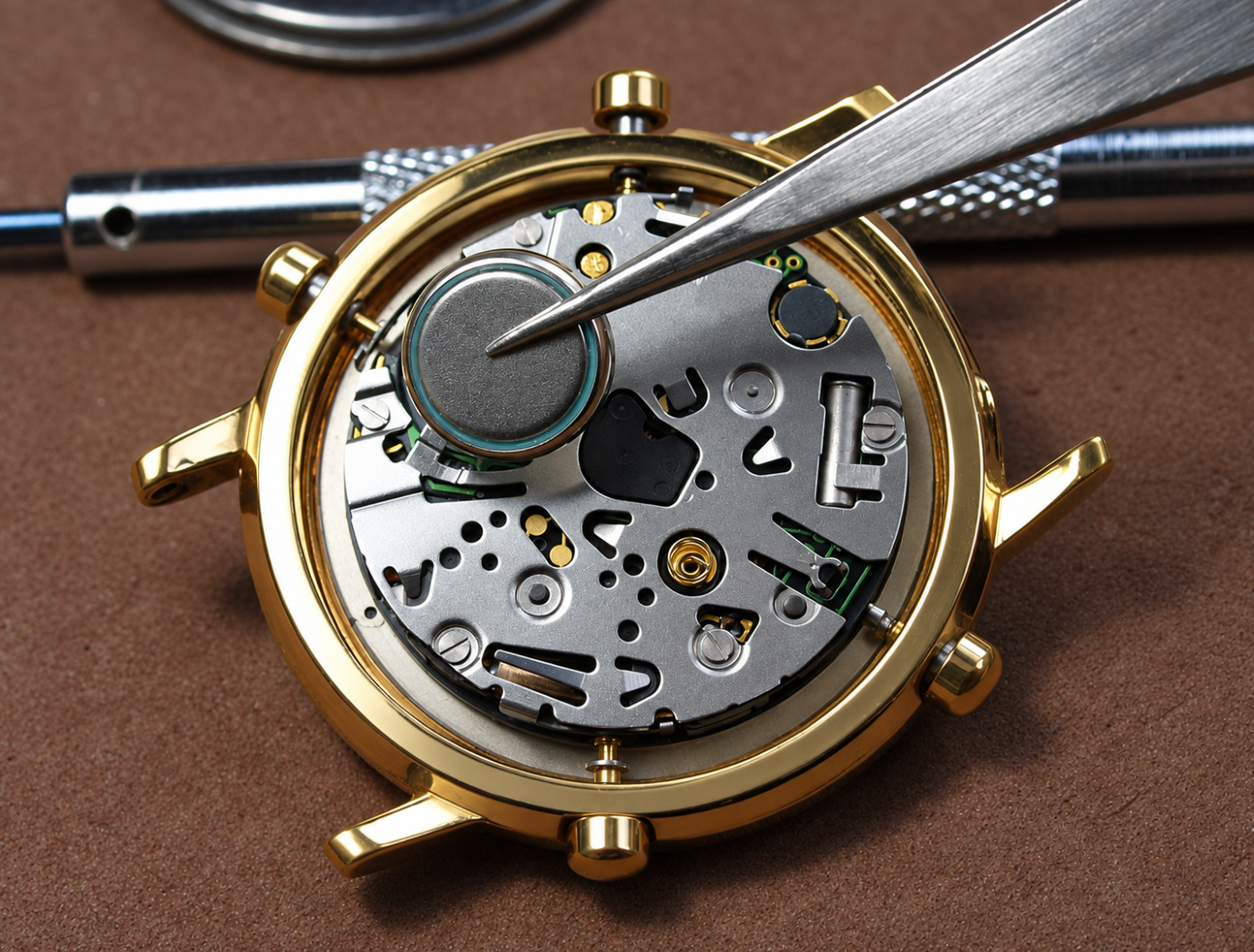
Swiss watchmakers represent one of the most advanced and historically rooted industrial ecosystems in the world. For more than four centuries, Switzerland has not only produced timepieces, but has defined global standards of precision, craftsmanship, and mechanical innovation.
From handcrafted mechanical masterpieces to highly accurate quartz movements, Swiss watchmaking has evolved into a unique fusion of tradition and excellence that few countries can match.
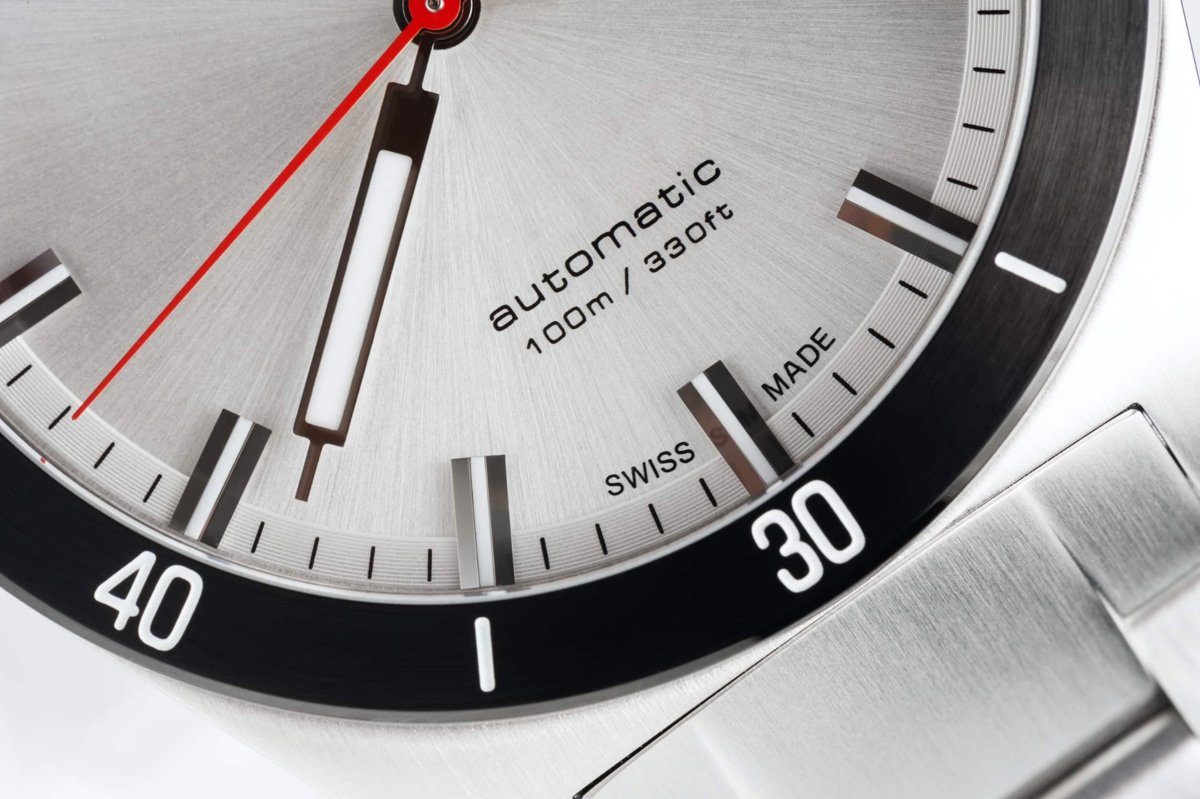
Today, Swiss watches are globally recognized as symbols of reliability and technical mastery. The “Swiss Made” label is not just a mark of origin, but the result of centuries of specialization and continuous innovation.
Understanding why Swiss watchmakers continue to lead the industry requires exploring their historical roots and the values that still define Swiss horology today.
Why Switzerland is the world capital of watchmaking
Switzerland’s position as the world leader in watchmaking is built upon a rare combination of historical circumstances, technical know-how, and cultural dedication to precision.
Unlike many manufacturing sectors that have shifted production across continents, Swiss watchmaking has remained deeply rooted in specific regions where expertise has been passed down through generations.
Areas such as Geneva, the Jura Mountains, La Chaux-de-Fonds, Le Locle, and Biel/Bienne became centers of horological excellence, creating a dense network of specialists capable of producing every component required for a high-quality watch.
Over time, this environment allowed Switzerland to develop a reputation not only for luxury watches but also for technical reliability and industrial excellence. Even today, many of the world’s most respected timepieces originate from this unique horological landscape.
A Culture Built on Precision
Swiss manufacturing culture has long emphasized accuracy, consistency, rigorous assembly processes and attention to detail.
These values naturally aligned with watchmaking, an industry where tolerances are measured in fractions of millimeters and even the smallest imperfection can affect performance.
The result is a national reputation for quality that extends far beyond watches and continues to reinforce consumer confidence worldwide.
History of Swiss watchmaking: from origins to global dominance
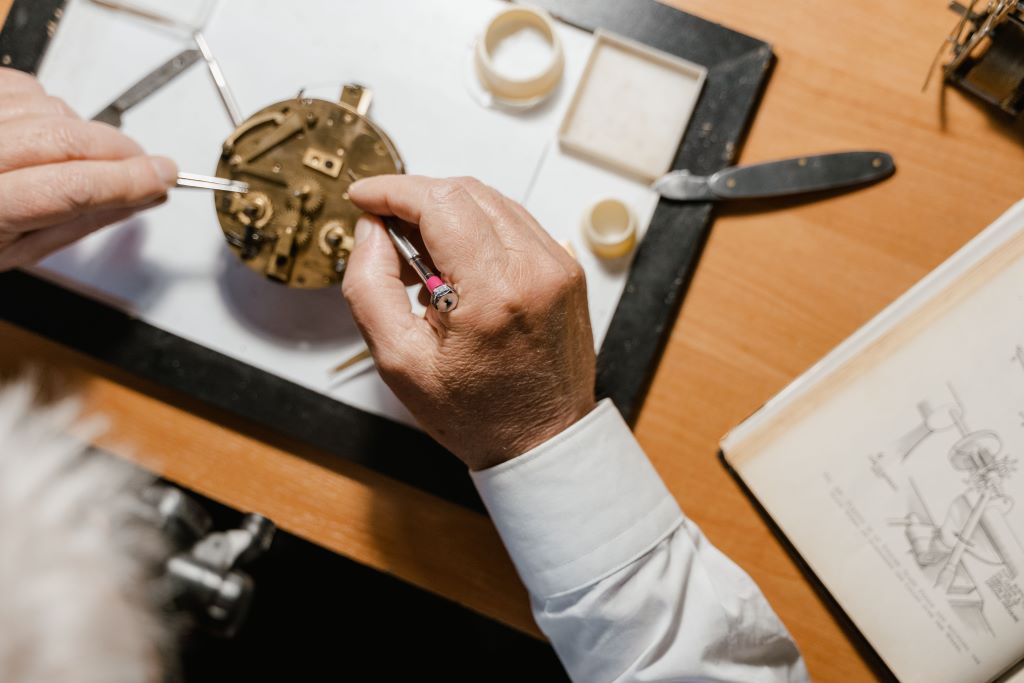
The history of Swiss watchmaking dates back to the 16th century, when skilled metalworkers and artisans, many influenced by religious and economic migrations, settled in Geneva.
These early craftsmen brought expertise in metalwork and jewelry, which gradually evolved into the first forms of horological production in Switzerland.
Geneva quickly became the first major center of Swiss watchmaking. Over time, production expanded beyond the city into the neighboring regions, where rural communities adopted watchmaking as a complementary craft to agriculture during the winter months.
This decentralized production model became a defining feature of Swiss horology.
By the 18th and 19th centuries, these areas had developed into highly specialized clusters. Each area contributed specific expertise – components, movements, finishing, and assembly – creating a highly efficient production model that strengthened the competitiveness of Swiss watchmaking.
Industrial Growth and Structural Development
During the Industrial Revolution, Swiss watchmakers successfully combined artisanal skills with emerging techniques. Rather than replacing craftsmanship, mechanization improved consistency and scalability while preserving the quality standards that distinguished Swiss watchmaking internationally.
The gradual standardization of components further improved production efficiency while preserving the high-quality finishing that distinguished Swiss-made watches from foreign competitors.
By the late 19th century, Swiss manufacturers had already established a global reputation for reliability and technical excellence.
Quartz Crisis and Industry Reinvention
The 1970s and 1980s marked one of the most critical periods in Swiss watchmaking history. The introduction of quartz technology disrupted the global market, leading to a dramatic decline in traditional mechanical watch production.
While many companies struggled, the Swiss industry responded with structural consolidation, innovation, and repositioning.
Instead of abandoning mechanical expertise, Swiss manufacturers embraced a dual strategy:
- advancing quartz technology
- reinforcing the value of mechanical craftsmanship.
This approach remains visible today in the production of high-quality Swiss Made quartz movements.
This transformation not only ensured survival but also laid the foundation for the modern renaissance of Swiss watchmaking.
The great names: manufactures and masters that made history
The prestige of Swiss watchmaking has been shaped by generations of manufacturers who continually pushed the boundaries of what was possible and shaped the reputation of Swiss Made watches around the world.
Throughout the centuries, Swiss watchmakers introduced countless technical advancements, including improved escapements, automatic winding systems, chronographs, perpetual calendars, and highly accurate quartz technologies.
These innovations transformed watches from simple timekeeping instruments into sophisticated examples of mechanical and engineering excellence, positioning Switzerland at the forefront of global watchmaking.
How the Swiss watch industry works today
Modern Swiss watchmaking is far more sophisticated than many consumers realize.
Behind every Swiss-made watch stands a complex network of specialized companies and highly skilled professionals. The industry operates through collaboration between movement manufacturers, component suppliers, designers, engineers, testing laboratories, and assembly facilities.
Each participant contributes expertise to a tightly coordinated production system, where components, movements, and finishing stages must meet strict technical specifications before final assembly. Precision is not a marketing concept, but a measurable requirement embedded in every step of the process.
From Components to Final Assembly
A Swiss watch follows a carefully controlled journey from design to completion.
Components are manufactured according to strict specifications and undergo multiple inspections before reaching the assembly phase.
Movements are tested for accuracy, durability, and reliability, while finished watches are subjected to extensive quality-control procedures.
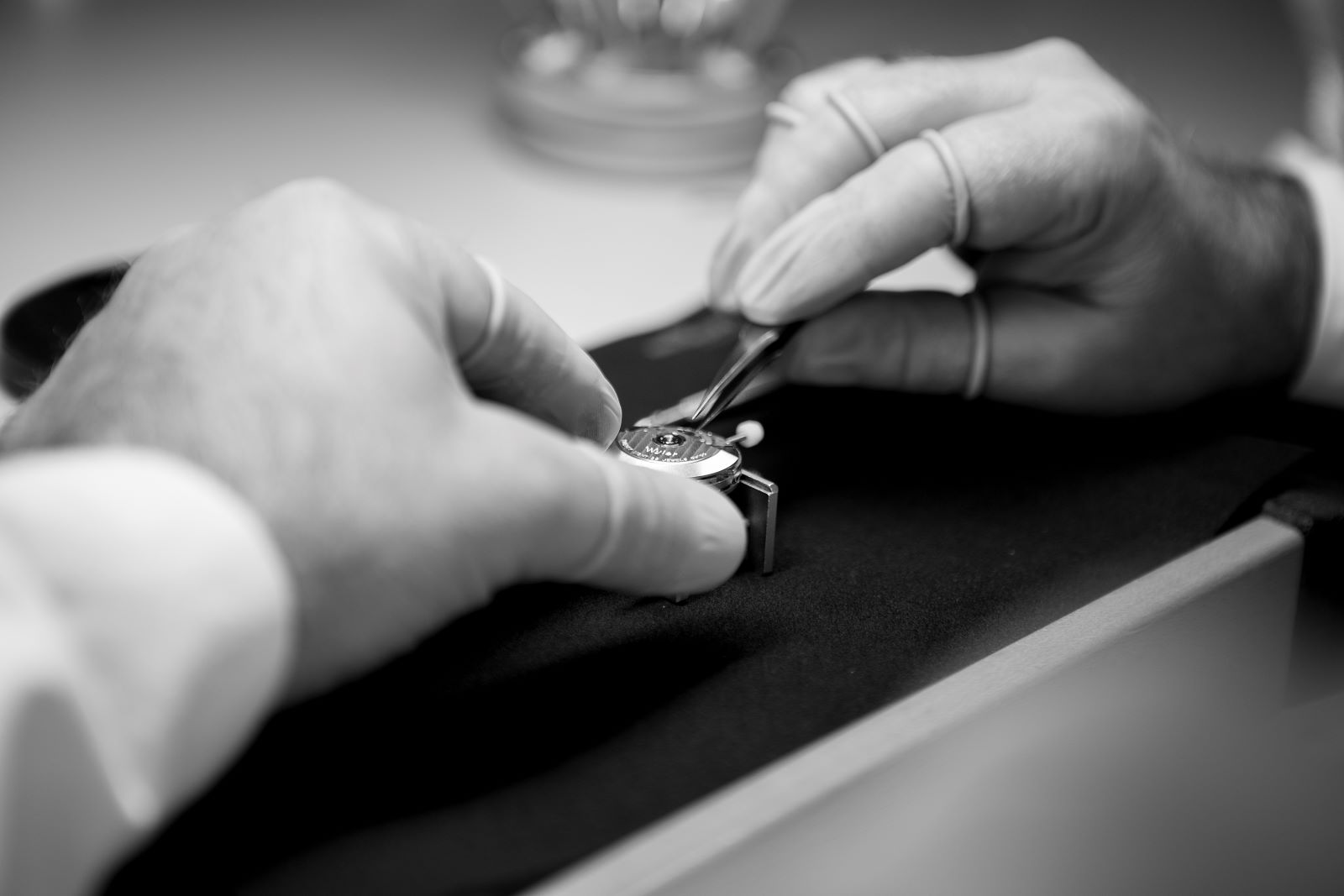
Assembly itself remains one of the most critical stages. Although modern technology supports production efficiency, experienced technicians continue to perform delicate operations that require human precision and judgment.
Within this ecosystem, specialized manufacturers such as TAN SA contribute essential expertise to the production chain.
Through strict quality control procedures and continuous technical refinement, companies like TAN help ensure that Swiss-made watches meet the standards expected by global brands and consumers alike.
The Swiss Made label: what it really guarantees
Few designations carry as much weight in the watch industry as “Swiss Made.”
For consumers, the label immediately evokes images of quality, precision, and trust. However, Swiss Made is not merely a marketing statement – it is a legally protected designation governed by strict requirements.
Since the revision of the Swissness legislation in 2017, the requirements governing the Swiss Made designation have become even more stringent.
To qualify, watches must satisfy specific criteria related to movement production, assembly, inspection, and the proportion of manufacturing value generated within Switzerland.
These regulations help protect the integrity of Swiss watchmaking and ensure that consumers receive products that genuinely reflect Swiss standards.
More Than a Country of Origin
The enduring strength of the Swiss Made designation lies in the standards it represents: commitment to reliability, durability and technical credibility.
It embodies centuries of accumulated knowledge and serves as a guarantee that a watch has been produced according to some of the highest standards in the industry.
For collectors, enthusiasts, and everyday consumers alike, Swiss Made remains one of the most trusted indicators of watch quality available today.
Conclusion
Swiss watchmakers have earned their global reputation through centuries of innovation, resilience, and dedication to excellence.
From the earliest workshops of Geneva to the advanced manufacturing facilities of today, Switzerland has consistently demonstrated its ability to combine tradition with technological progress.
The industry’s success is not defined by a single brand, technology, or historical achievement. Rather, it reflects centuries of accumulated knowledge, technical competence, and a commitment to continuous improvement.
As the world of horology continues to evolve, Swiss watchmakers remain at the forefront, preserving a remarkable heritage while embracing innovation.
Behind every Swiss Made timepiece lies the expertise of countless specialists whose dedication to quality, precision, and continuous improvement ensures that Swiss watchmaking remains the global benchmark for excellence.